
X Now Tells Users When Governments Force It to Shadowban Their Posts Under Local Laws
X expanded its Under the Hood tool to show when a post was withheld in a country after a government legal demand, and which country made the request. Available to anyone who posted at least 10 times last month.
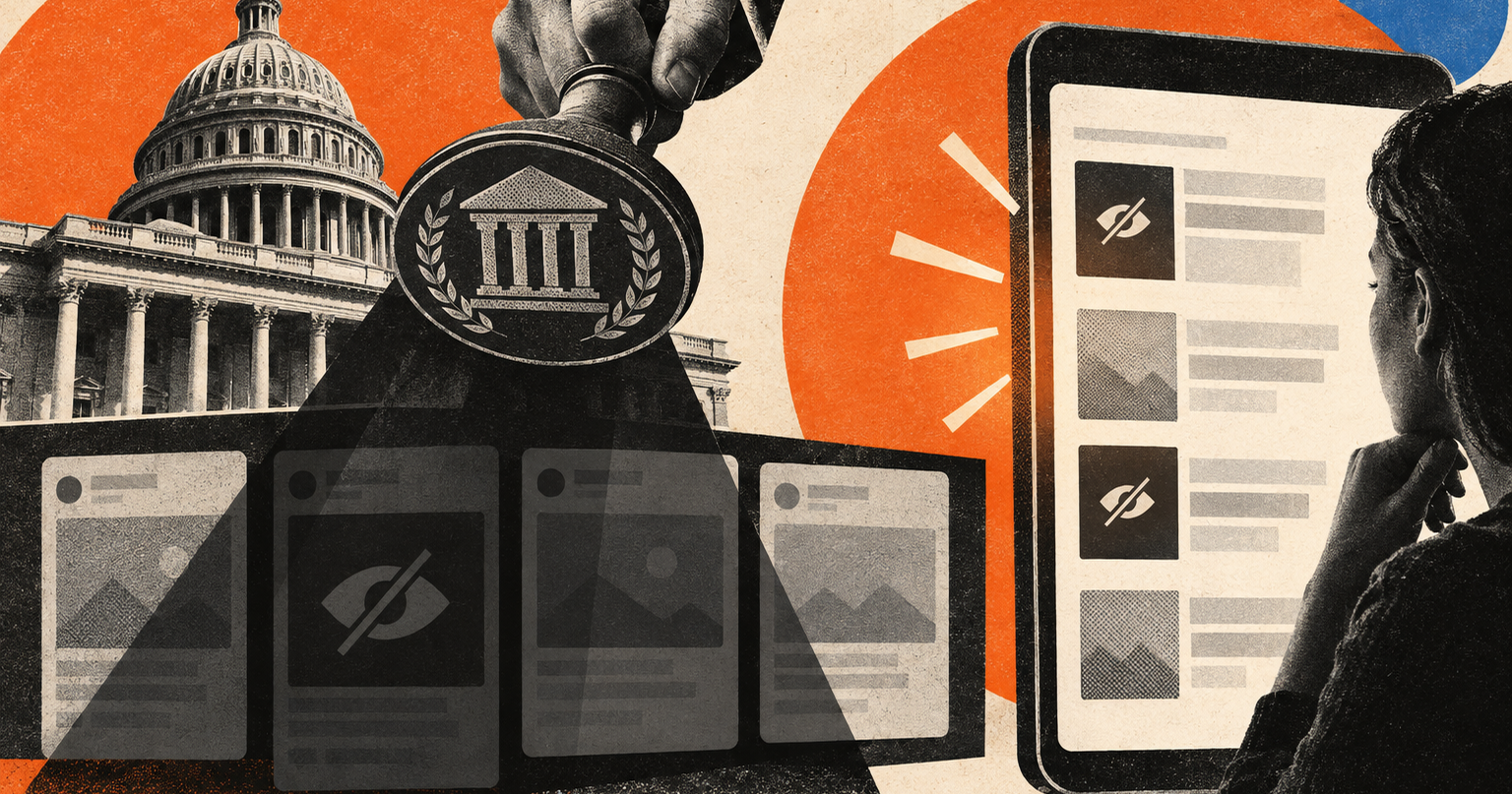
For years, X users who felt their reach had quietly collapsed had no way to prove it. Now the company will tell them when a government is the reason.
X has expanded its "Under the Hood" transparency tool so that people can see when their account or a specific post had its visibility limited because the company complied with local laws or a government content-filtering order. The feature also flags posts that were downranked to satisfy those legal demands, the kind of quiet reach throttling that fed years of shadowban accusations against the platform once known as Twitter.
The detail sits inside a file most people never look at. Anyone who has posted at least 10 times in the prior month can go into the app settings and download their aggregate stats as a JSON file. That file now also lists which posts were withheld in a particular country after a legal demand, and names the country that made the request.
That country-of-demand field is the part that stands out. Most companies that disclose government requests do so only in aggregate transparency reports, counting takedowns by nation without ever telling an individual that their specific post was the one pulled. X is pushing that signal down to the account and post level, which is unusual.
Governments cite a familiar list of reasons for these orders, from hate-speech and terrorism rules to election law. Free-expression groups counter that some of the same laws get used to bury political dissent, and now the affected users will at least see the fingerprint.
X announced the change through its @XOpenSource account on 19 September, and TechCrunch reported the rollout two days later. It arrives after the company open-sourced more of its "For You" ranking code, a move product VP Keith Coleman called the kind of thing people would be "fairly shocked" to see released.
Users still only see the receipt when a government demand sat behind the limit, not for every quiet reach drop. That alone is a small counterweight to the older fights over account visibility and forced name changes that have followed the platform for years.
Subscribe to Techpresso
Free daily newsletter, read in 5 minutes.
Subscribe free